-
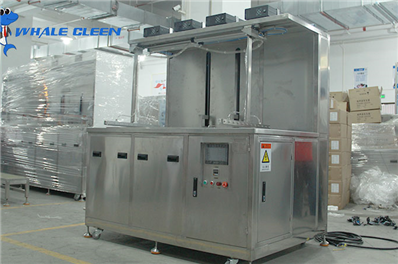 Ultrasonic Cleaning Machine for Metal Pipe Valves: Ensuring Efficient Operation and Sealing Performance
In industrial settings, metal pipe valves play a crucial role in controlling fluid flow. Over time, these valves can become clogged with various contaminants such as dirt, grease, scale, rust, and other particles. These impurities can compromise the valve
-
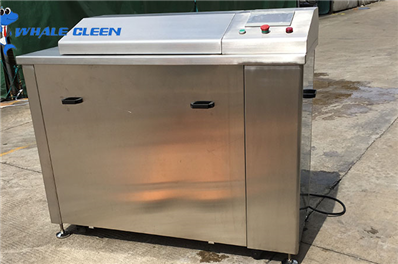 Enhancing Industrial Metal Valve Performance with Ultrasonic Cleaning Machines
Industrial valves play a crucial role in controlling and regulating the flow of fluids within industrial processes. However, over time, these valves accumulate various impurities, particles, and corrosion products within their internals, leading to impair
-
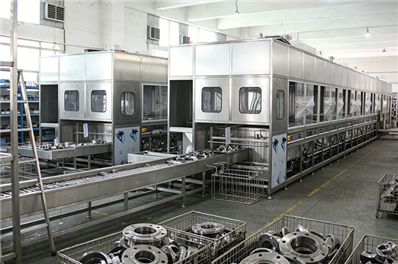 Batch Pneumatic Component Cleaning Fast and Reliable: How Ultrasonic Cleaning Works
Pneumatic components—valves, cylinders, manifolds, fittings—are the workhorses of automated production lines, material handling systems, and countless industrial machines. They depend on clean internal surfaces to seal properly, slide smoothly, and actuat
-
 How to Thoroughly Remove Micro‑Pore Contaminants in Hydraulic Components? This Ultrasonic Equipment Has Become the Industry Standard
In hydraulic system manufacturing, there is a scenario that plays out repeatedly in quality inspection rooms: A valve body passes every dimensional check, assembles perfectly, and ships to the customer. Then, after a few hundred operating hours, the syste
-
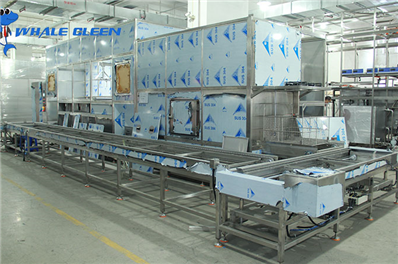 Hydraulic Valve Body Dead‑End Grease Is Hard to Remove – What Are the Practical Ultrasonic Cleaning Tips?
In any hydraulic system, the valve body is the command center. Its internal network of intersecting oil channels, precision spool bores, and tiny flow passages directs the flow, pressure, and direction of hydraulic fluid. A single valve body may contain d
-
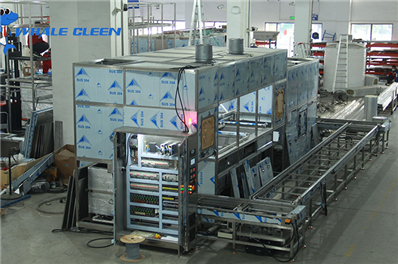 Fuel Nozzle Deep Degreasing Challenge: How Ultrasonic Cleaning Machines Remove Internal Deposits
Fuel nozzles are among the most precision-critical components in any engine—whether for diesel rail systems, gasoline direct injection, or gas turbines. Over their service life, three distinct contaminants accumulate inside the nozzle structure:Coked carb
-
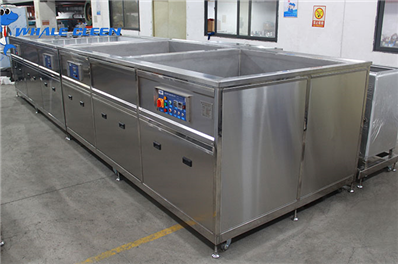 How to Choose a Fuel Injector Ultrasonic Cleaning Machine – A Practical Guide to Getting It Right
Fuel injectors are among the most precision-critical components in any modern engine. Over time, carbon deposits, varnish, and microscopic fuel residue accumulate inside the tiny orifices of the injector nozzle. These contaminants don't just reduce fu
-
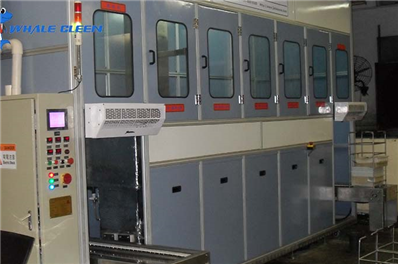 20+ Years Deep in Industrial Cleaning: Specializing in Non‑Standard Customization to Conquer the “Last Mile” of High‑Difficulty Cleaning for Thousands of Manufacturers
The “Last Mile” Problem in Industrial CleaningIn manufacturing, the last mile is often the hardest. You can have a world‑class production line, precision CNC machining, and rigorous quality control—but if a single component carries microscopic contaminati
-
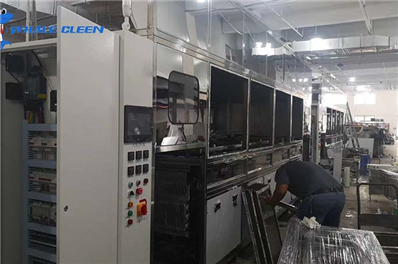 Struggling with Mold Residue That Compromises Part Quality? Discover Ultrasonic Cleaning Solutions
In precision manufacturing, the mold is the birthplace of your product. Every imperfection on the mold surface—every speck of carbon, every trace of resin, every microscopic oil residue—gets faithfully reproduced on every single part that emerges from it.
-
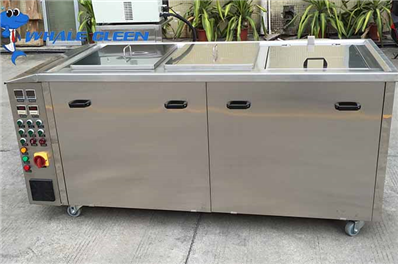 How to Use Ultrasonic Cleaners for Automotive Repair? A Step-by-Step Guide
1. Why Use Ultrasonic Cleaners in Automotive Repair? Ultrasonic cleaning is a game-changer for auto shops and DIY mechanics because: Deep Cleaning: Removes 90%+ of contaminants (oil, carbon, rust) from complex parts like fuel injectors.
-
 Understanding the Industry Classification of Ultrasonic Cleaning Machines
1. Introduction Ultrasonic cleaning machines are innovative tools that leverage high-frequency sound waves to clean objects with precision and efficiency. These machines are integral to multiple industries due to their ability to remove contaminants fr
-
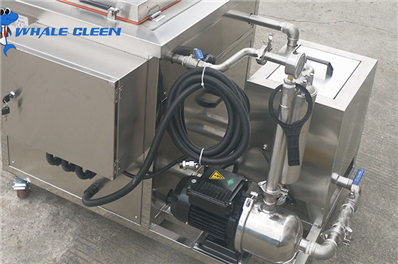 How Ultrasonic Cleaners Enhance the Longevity of Industrial Equipment
Introduction In modern industrial environments, machinery and equipment often operate under demanding conditions, which can lead to wear, corrosion, and the accumulation of debris or contaminants. One of the most effective ways to maintain the longevit